
Project Overview
A vehicle manufacturing plant in Kazakhstan purchased a batch of lifting equipment for different areas of its production and maintenance workshops. The plant required lifting solutions for a range of tasks, from frequent workstation handling to the movement of heavier production equipment and larger components.
Because the working conditions varied from one area to another, the customer selected four types of equipment:
● 5 t Single Girder Overhead Crane
● 5+5 t Twin Single Girder Overhead Cranes
● 16 t Double Girder Overhead Crane
● KBK Crane System
Each type was selected according to the load, working frequency and handling requirements of the corresponding area.
Equipment Configuration
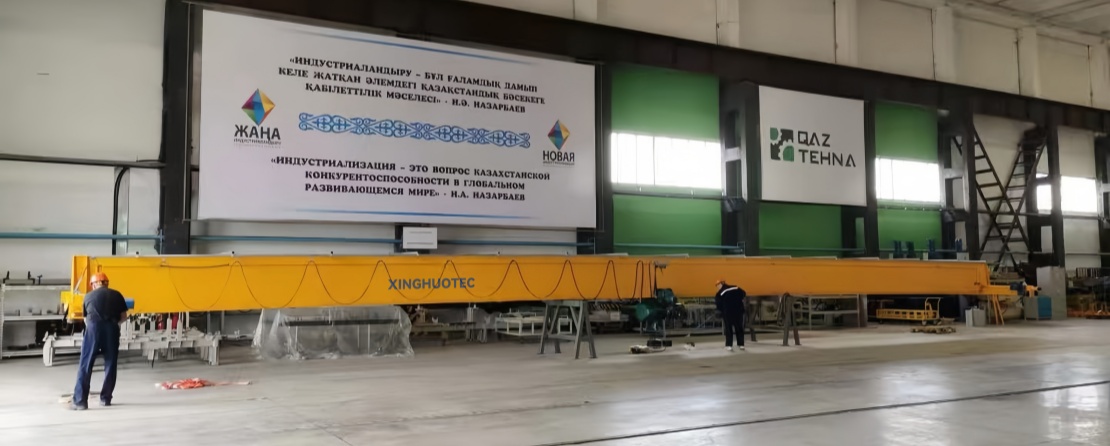
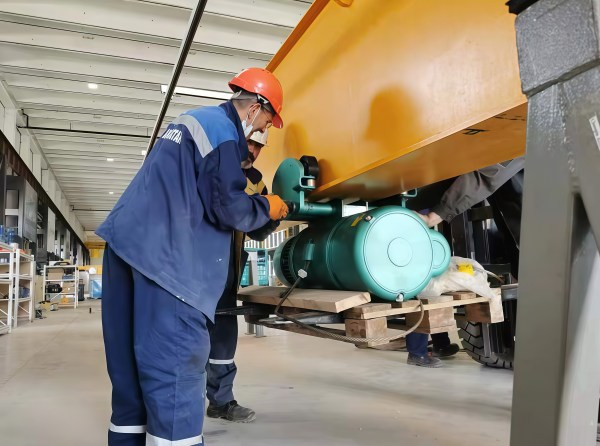
The 5 t single girder overhead cranes are mainly used for regular lifting and transfer work in production and maintenance areas. They can handle vehicle components, production tooling, spare parts, machine parts and other relatively heavy materials that need to be moved around the workshop.
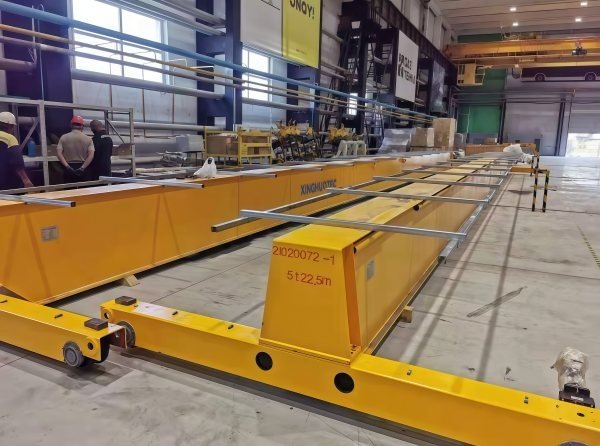
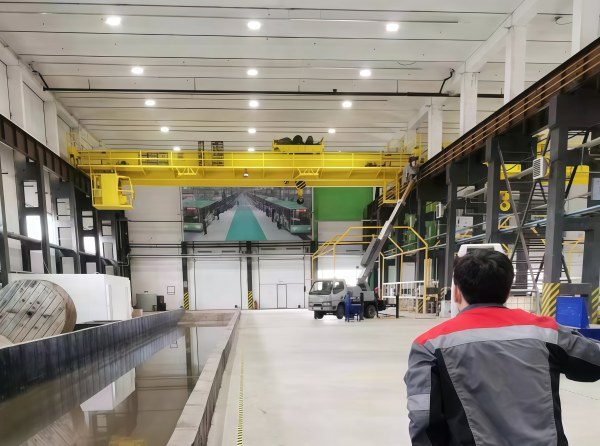
For areas where larger or longer loads need to be handled, the customer selected the 5+5 t twin single girder overhead crane configuration. It consists of two 5 t single girder overhead cranes operating in parallel and in tandem. When a load requires two lifting points, the two cranes can work together to lift and move it. When tandem operation is not required, each crane can also be used independently for normal lifting work.
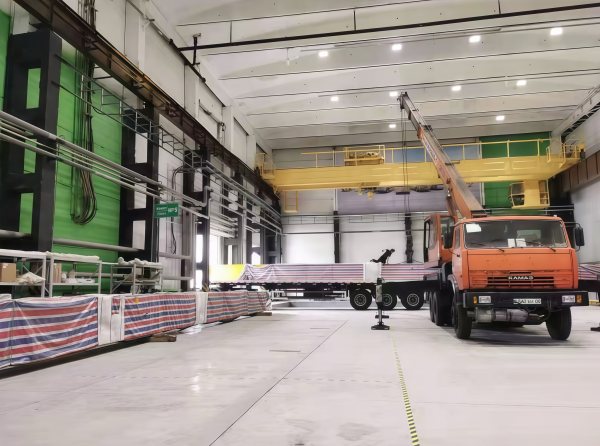
The 16 t double girder overhead crane is intended for heavier lifting tasks. It can be used for handling larger production equipment, heavy tooling, machinery components and other loads that exceed the capacity of the 5 t cranes. This crane provides additional lifting capacity for areas where heavier loads need to be positioned or transferred.
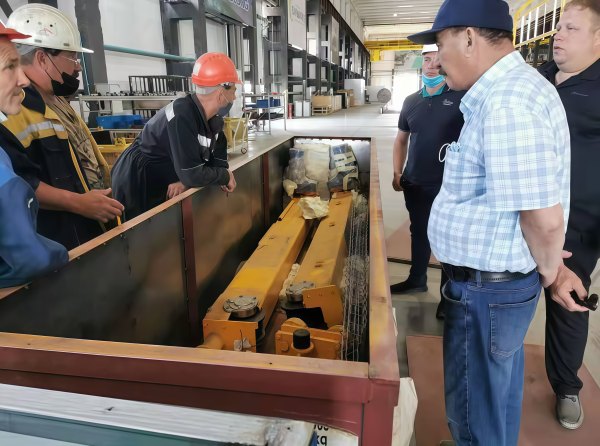
The KBK crane systems are intended for lighter but more frequent handling around production workstations. They can be used for moving smaller components, tools, fixtures and other materials between nearby working positions. This gives operators a convenient lifting option for repetitive tasks without using the larger overhead cranes for every operation.
Application in the Automotive Plant
The lifting equipment serves as supporting equipment for the plant's daily manufacturing, material handling and maintenance activities.
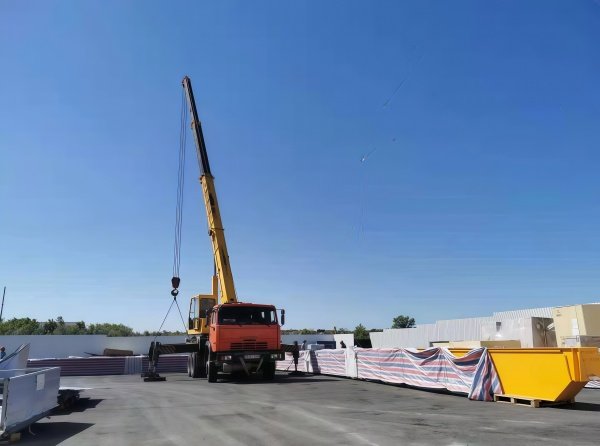
During production, the 5 t overhead cranes can be used to move components and tooling between designated work areas. They can also assist with handling heavier parts when production equipment needs to be adjusted or replaced.
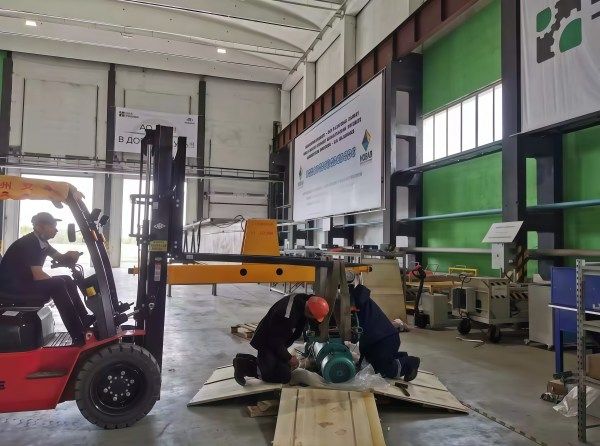
In maintenance areas, the cranes provide a practical way to lift motors, machine components and other workshop equipment. Having dedicated overhead lifting equipment available in these areas can make heavier maintenance tasks easier to manage without relying entirely on mobile handling equipment.
The 5+5 t tandem configuration is particularly useful when a load is too long, large or difficult to balance with a single crane. Operating two cranes together provides two lifting points and allows the load to be moved in a more controlled manner. At other times, the two cranes can be operated separately, making better use of the equipment during normal workshop operations.
The 16 t double girder overhead crane serves areas where heavier loads are involved. It can support the handling of large machinery, heavy tooling and production equipment during installation, adjustment or maintenance. Its higher lifting capacity gives the plant a dedicated solution for tasks that are beyond the working range of the lighter cranes.
For the KBK systems, the focus is on frequent, short-distance handling close to individual workstations. In an automotive manufacturing environment, operators may need to move tools, fixtures or smaller components repeatedly during assembly and production support. A KBK system is well suited to these smaller handling tasks.
Customer Feedback
“We have different lifting jobs in different parts of the workshop, so using the same type of crane everywhere would not be practical. The 5-ton cranes cover our regular handling work, while the two-crane setup gives us more flexibility when we need to move larger loads. For the heavier equipment, the 16-ton crane gives us the lifting capacity we need. The KBK system is convenient for the smaller jobs around the workstations.”
◉ Inquiries & Messages
Related Posts
Online Message

Inquiries & Messages
Thank you very much for writing to us. Please leave your message and contact information, we will reply to you within 24 hours.